
Frequently Asked Questions
Find clear, accessible answers about PAG, pension advocacy, trustee engagement, and the issues that matter to new members and retirees.
General Questions
Start here for general info about PAG, our mission, how we support pension advocacy, and how members and supporters can get involved.
PAG serves members, retirees, educators, supporters, and community stakeholders who care about protecting defined benefit pensions and strengthening retirement security. In addition to supporting the recruitment and retention of subject matter experts to teach in the Chicago Public Schools. PAG’s work is especially focused on providing clear information and advocacy support for those connected to public pension systems.
A defined benefit pension is a retirement plan that provides eligible members with a guaranteed set monthly benefit, usually based on factors such as years of service, salary, and age at retirement. Unlike individual retirement accounts, such as Defined Contribution plans (401k and 403 B) that depend heavily on personal investment choices, defined benefit pensions are designed to provide stable retirement income.
Pension advocacy matters because retirement benefits are earned over years of service and can be affected by policy decisions, funding choices, legislation, and public understanding. Advocacy helps protect the integrity of pension systems, promote transparency, and ensure members have access to clear information about issues that may affect their retirement security. In short, defend teachers hard earned defered compensation and inheritance from wage theft.
Members can stay informed by joining PAG’s mailing list, attending events, reading educational resources and updates, and following PAG’s communications. PAG shares information designed to help members better understand pension-related topics, advocacy priorities, and opportunities to stay engaged. Such as the Teacher trustee training and ambassador program.
You can learn more by exploring PAG’s Pension Education resources, attending educational events, following on socials, and using suggested external resources. You can also enroll in PAG’s Teacher Trustee training and ambassador program. Our goal is to make complex pension topics easier to understand through clear, accessible information.
You can support PAG by attending events, sharing resources, joining the mailing list, volunteering, making a donation, and helping others stay informed. Every form of support helps PAG continue its mission to educate, protect, and restore confidence in pension advocacy. We’d love for you to be part of our journey to build a community of informed consumers! Join us in whatever way works for you!
Yes. Pension Advocacy Group is a 501(c)(3) nonprofit organization.
Donations to PAG may be tax-deductible as allowed by law. Please consult a tax professional for guidance based on your individual situation.
Upcoming PAG events are listed on the Events page. Each event listing includes available details such as date, time, location, registration information, and ticket or RSVP instructions when applicable.
Contact Tina Padilla at pensionadvocacygroup@gmail.com or 773-350-3648.
Trustee Questions
See how CTPF Trustees have answered these questions, covering topics such as transparency, fiduciary responsibility, fund oversight, and long-term pension protection.
CTPF Response
CTPF is responsible for administering Illinois pension law as currently written. The Fund does not have the authority to repeal Tier 2, nor does it lobby for or propose legislation to eliminate it.
Changes to Tier 2 would require legislative action through the Illinois General Assembly. CTPF’s role is to comply with existing statutes, administer benefits under the law, and keep members informed about developments that may affect their pensions.
Members who support changes to Tier 2 are encouraged to connect with stakeholder groups, unions, advocacy organizations, and elected officials who are able to pursue legislative reform.
PAG Perspective
PAG believes this answer raises an important question about consistency and transparency.
If CTPF maintains that it cannot lobby for or propose legislation related to Tier 2, members deserve a clearer explanation of how that position is applied. CTPF employs a lobbying firm and has legislative priorities that include securing additional state support for retiree healthcare and pursuing technical fixes to pension law.
That raises the question: where does CTPF draw the line between administering the law, supporting legislative priorities, and advocating for statutory changes that affect members?
If CTPF can support legislative action on retiree healthcare funding and technical pension corrections, PAG believes members should understand why Tier 2 reform is treated differently, especially given the serious fairness and retirement security concerns Tier 2 raises for newer educators.
Why This Matters
Tier 2 is not just a technical issue. It affects newer educators, long-term retirement security, and confidence in the pension system. PAG believes members deserve clear information about who has the authority to advocate for change, what role CTPF can play, and how members can effectively push for reform.
CTPF Response
CTPF does not require or endorse participation in Corebridge or any specific 403(b), 457, or supplemental retirement vendor. These supplemental retirement plans are offered through the employer, not CTPF.
Educators should not feel pressured to make any financial commitment. If a member believes they were coerced, misinformed, or pressured to meet with a vendor representative, they should document the interaction and report the concern to their employer’s Human Resources representative.
PAG Perspective
PAG believes educators should receive clear, unbiased information about any supplemental retirement option offered through their employer. No educator should feel pressured during the workday, by a supervisor, or through school-based meetings to make financial decisions about their earned wages.
This raises important questions about transparency, boundaries, and member protection. Who is authorizing vendor access to educators during the school day? Are members being clearly told that participation is optional? What safeguards are in place to ensure that employees are not being steered toward a specific financial product or provider?
PAG also believes educators deserve clarity from their employer and union representatives about what protections exist when outside financial vendors are given access to school staff. If members feel pressured, they should document the interaction, ask whether participation is voluntary, and report concerns through the appropriate HR or union channels.
Why This Matters
Supplemental retirement accounts can involve important personal financial decisions. Educators should have access to information, but that information should be presented clearly, voluntarily, and without workplace pressure. PAG believes members deserve transparency about who is promoting these programs, why vendors are being given access, and how educators are protected from inappropriate pressure or confusion.
CTPF Response
Trustee votes are public information. Board meeting minutes published on CTPF’s website provide a listing of motions and votes, including roll call votes by Trustee. Board meetings are also livestreamed and recorded for on-demand viewing, and members may attend meetings virtually or in person to observe the business of the Fund.
PAG Perspective
PAG appreciates that Trustee votes are public information and that members can review meeting minutes or watch recorded meetings. However, the larger concern is accessibility.
Members should not have to search through lengthy minutes or watch full meeting recordings in order to understand how their elected and appointed Trustees are voting. Public information is most useful when it is easy to find, easy to understand, and presented in a format that supports transparency and accountability.
PAG believes CTPF should provide a clear, concise voting summary that shows how each Trustee voted on key motions. This type of overview has already been requested by Trustees and, according to information shared with PAG, was provided to at least one Trustee. That suggests the information can be generated and shared in a more accessible format.
Why This Matters
Trustee voting records help members understand how Trustees are carrying out their responsibilities, what decisions are being made on behalf of the Fund, and whether Trustees’ actions align with the interests of members, retirees, and beneficiaries.
PAG believes members deserve more than access in theory. They deserve practical transparency: clear voting records, organized summaries, and information that allows them to stay informed without unnecessary barriers.
CTPF Response
CTPF staff positions do not require a CPA or other specific professional license, though some roles may benefit from specialized credentials or training. Sean Hickey, Director of Internal Audit, is a CPA. Our Chief Benefits Officer and Executive Director are Certified Employee Benefit Specialists. Our Chief Investment Officer is a Chartered Financial Analyst. We also have investment staff with additional certifications such as Chartered Alternative Investment Analyst, Certified Investment Management Analyst, Certified Multi-Strategy Analyst, and Certified Business Capital Analyst
PAG Perspective
Why This Matters
CTPF Response
To our plan type, CTPF is a defined benefit pension plan under Illinois law—not a deferred compensation annuity or defined contribution plan—and provides guaranteed lifetime benefits based on a statutory formula.
PAG Perspective
Why This Matters
CTPF Response
Coming soon
PAG Perspective
Coming soon
Why This Matters
Coming soon
CTPF Response
Coming soon
PAG Perspective
Coming soon
Why This Matters
Coming soon
CTPF Response
Coming soon
PAG Perspective
Coming soon
Why This Matters
Coming soon
CTPF Response
Coming soon
PAG Perspective
Coming soon
Why This Matters
Coming soon
CTPF Response
Coming soon
PAG Perspective
Coming soon
Why This Matters
Coming soon
CTPF Response
Coming soon
PAG Perspective
Coming soon
Why This Matters
Coming soon
New Members
These questions can help new CTPF members better understand their benefits, the fund’s long-term health, and the importance of staying informed early in their careers.
New members should understand that the Chicago Teachers’ Pension Fund has been part of Chicago public education since 1895. It was created to support educators and help strengthen the public school system by providing retirement security for those who dedicate their careers to teaching and service.
The pension is deferred compensation. It is not a bonus or a gift; it is part of what educators earn through their work. For eligible members, CTPF provides a defined benefit pension designed to offer a reliable income in retirement, along with important protections such as old age and disability annuity insurance, and survivor benefits.
The first step for new members is to learn how the system works, what benefits they may earn, and why their participation and awareness matter from the beginning of their careers.
Member contributions are one part of the overall funding structure that supports CTPF. Contributions are added to the fund’s investment pool, where they are managed as part of a long-term strategy designed to help pay benefits over time.
Pension benefits are supported through a combination of member contributions, employer and state contributions, and investment income. This shared funding structure helps provide retirement, disability, and survivor benefits to eligible members and beneficiaries.
Teachers are not eligible for a future CTPF pension benefit unless they are vested. Vesting means earning the right to receive a pension after meeting retirement requirements.
Tier 1 members (hired before January 1, 2011) become vested after five years of service, while Tier 2 members (hired on or after January 1, 2011) become vested after ten years of service.
Many variables determine your future pension. The best first step would be to enter your unique details in the pension calculator that can be found by following this link: https://www.ctpf.org/member-resources/monthly-pension-calculator.
The health of a pension fund is often measured by its funded ratio. This ratio compares the value of the fund’s assets to the benefits it is expected to pay now and in the future. A funded ratio of 100% would mean the fund has enough assets set aside to meet all current and future obligations.
CTPF’s funded ratio is currently below 50%, which means the fund remains significantly underfunded. That does not mean benefits stop being paid, but it does show why long-term funding, oversight, transparency, and accountability matter.
For newer members, this is important to understand early. The financial health of the fund affects confidence in the pension system, the policy decisions made by lawmakers, and the advocacy priorities that shape retirement security for current and future educators.
PAG is working to address the long-standing issues that contributed to the fund’s current condition. That includes advocating for stronger pension education, better transparency, responsible oversight, and reforms that protect earned benefits. PAG also believes Tier 2 raises serious fairness and retirement-security concerns and should be a central part of any conversation about improving the pension system for newer educators.
New and old members should be aware of long-term risks such as the fund’s funding ratio, investment performance, and contribution levels. A low funding ratio means the fund may not have enough assets to meet future obligations, while poor investment returns or insufficient employer and state contributions could further impact the financial health of the system.
Tier 1 and Tier 2 refer to different sets of pension eligibility rules. In general, CTPF members who joined CTPF or a qualified reciprocal system before January 1, 2011, are Tier 1. Members who joined on or after January 1, 2011, are Tier 2.
According to CTPF, the pension calculation formula is the same for both tiers, but key requirements are different, including retirement age, vesting requirements, final average salary calculations, and salary caps for Tier 2 members.
PAG believes Tier 2 raises serious fairness and retirement-security concerns for newer educators. Understanding these differences is important because pension rules can affect when members are eligible to retire, how benefits are calculated, and what long-term protections members may need to advocate for.
For a deeper explanation, members can watch Faith Marie Ruiz and Tina Padilla discuss defined benefit and defined contribution plans in PAG’s Season 1, Episode 2 video. Members can also review CTPF’s Tier 1 vs. Tier 2 pension information.
New members can stay informed and involved by participating in trustee training opportunities, such as those offered through PAG, and by becoming a pension representative at their school. They can also attend or watch CTPF board meetings, follow updates on social media, and regularly check the PAG website for new information. Additionally, members are encouraged to reach out with questions by contacting their CTPF trustees or PAG.
Retiree Questions
Retirees have earned their benefits through years of service. These questions can help them stay informed, engaged, and confident in the systems that support their retirement security.
Yes, when you retire with a full CTPF pension, you can have health insurance coverage, but:
- You must enroll and meet the eligibility rules
- You will likely pay part of the premium
- It’s not automatically free lifetime coverage
Our CTPF pension provides both a guaranteed monthly income and affordable insurance for our beneficiaries.
CTU is a separate organization that should not in any way affect the way CTPF is governed. PAG’s due diligence process has been hampered by the inability to gather complete, accurate, and timely information from CTPF. It has been difficult to say for sure. However, we are working to obtain full and accurate information so that we can cross-reference the information given to trustees with our independent due diligence.
Pension systems must be managed with a long-term view. CTPF is not a short-term fund; it is responsible for paying earned benefits to current retirees, active members, future retirees, and beneficiaries for generations to come.
PAG believes CTPF can and should be sustained in perpetuity. However, that requires prudent decision-making, lawful administration, responsible oversight, transparent governance, and a continued focus on the best interests of members, retirees, and beneficiaries.
For newer members, the key point is this: pension health is not only about the next budget year or the next election cycle. It requires long-term planning, disciplined funding, strong fiduciary responsibility, and consistent advocacy to protect the Fund for decades into the future.
The investment world is dynamic, meaning that the fund will experience both losses and gains throughout various investment cycles. The crucial factor is to ensure that while some investment vehicles may be losing money, others are generating profits.
Under current law, the City of Chicago cannot simply decide to file for municipal bankruptcy on its own.
Federal bankruptcy law allows a municipality to file under Chapter 9 only if it is specifically authorized to do so by state law. Illinois has not given Chicago broad authority to file for Chapter 9 bankruptcy.
Illinois does have a Financially Distressed City Law within the Illinois Municipal Code, but that law applies only to certain smaller municipalities and creates a state oversight process rather than giving Chicago an independent right to file for bankruptcy. Under that framework, a Chapter 9 filing would require recommendation by a state-appointed Financial Oversight Commission. Because Chicago does not fall within that distressed-city structure, there is currently no statutory mechanism that allows the City of Chicago to file for municipal bankruptcy on its own.
This does not mean Chicago has no financial challenges. It means those challenges must be addressed through funding policy, legislation, budgeting, oversight, and long-term financial planning — not through a City-initiated bankruptcy filing under current law.
Chicago’s Municipal Code also recognizes pension levies tied to the City’s contribution obligations under the Illinois Pension Code. For retirees and members, this is another reminder that pension funding is governed through law, required contributions, and public oversight — not through a simple decision by the City to walk away from its obligations.
For CTPF retirees and members, it is also important to understand that public pension benefits in Illinois are protected by the Illinois Constitution. Article XIII, Section 5 states that membership in a public pension system is an enforceable contractual relationship and that benefits cannot be diminished or impaired.
PAG believes members should stay informed, continue asking questions, and pay close attention to funding decisions, legislation, and governance issues that affect long-term pension security.
Latest from PAG
Recent blog posts, updates, educational resources, event recaps, and media from Pension Advocacy Group.

news & updates
Why PAG Is Asking Questions
PAG is asking hard questions about CTPF’s funded ratio, dedicated tax levy revenue, investment consultant decisions, health insurance, and property tax timing. Read More →
advocacy & legislation
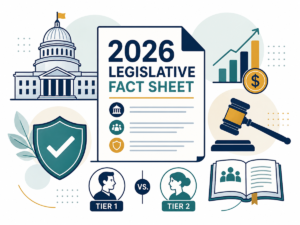
2026 Legislative Fact Sheet
Check out our plain-language summary of Illinois pension protections, Tier 2 concerns, and PAG’s legislative priorities for CTPF members. Download Fact Sheet →

news & updates
What It Means to Leave People Behind
From the Amerasian Homecoming Act to Tier 2, she connects personal memory, public policy, and PAG’s next chapter. Read Post →

News & Updates
Senior Prom: Summer Fundraiser
Senior Prom was a beautiful reminder of why this work matters. Thank you to everyone who made the fundraiser (and Tina’s birthday celebration) so memorable. Read Recap →
PAG NEWS
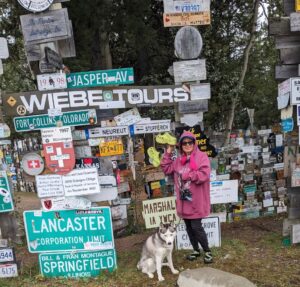
Unimaginable Joy
Tina reflects on a Yukon trip that helped her realize her work to protect earned benefits did not have to end after her time as a CTPF Trustee – it could take a new shape through PAG. Read Post →

pension advocacy
From Springfield: Day of Action
On May 27th, PAG joined educators, retirees, workers, and community advocates in Springfield for a Day of Action focused on public education, retirement security, and the importance of showing up. Read Recap →
Take Action Now
Stay Informed. Stay Protected.
Subscribe to the newsletter for timely updates on pension policy, board activity, and the work PAG is doing to protect and strengthen defined-benefit systems.